
-
Multi-residential real estate is among the most actively traded commercial asset classes in the province. Sustained rental demand, a large base of private investors, and a well-established transaction market drive consistent activity across this category. Buyers range from first-time income property investors acquiring a triplex to portfolio owners trading larger multi-residential assets. Sellers range from individual building owners to estate dispositions and portfolio rebalancing mandates. Regulatory Context and Transaction Experience Transacting on a multi-residential building requires an understanding of Quebec’s specific regulatory environment for residential tenancies.
The Tribunal administratif du logement governs the relationship between landlords and tenants, and its rules on rent increases, lease transfers, and eviction grounds are a material factor in how buildings are valued. A buyer or seller working with a broker who understands this framework is better positioned to price accurately, negotiate effectively, and close without surprises.
Multi-Residential Investment Properties, Greater Montreal
Multi-Residential Buildings for Sale in Greater Montreal
Apartment buildings and income properties are the most actively traded commercial investment category in Quebec. From neighbourhood plex buildings to larger multi-residential portfolios, Armen Markarian advises sellers and buyers across the full range of building sizes with direct transaction experience in this asset class.
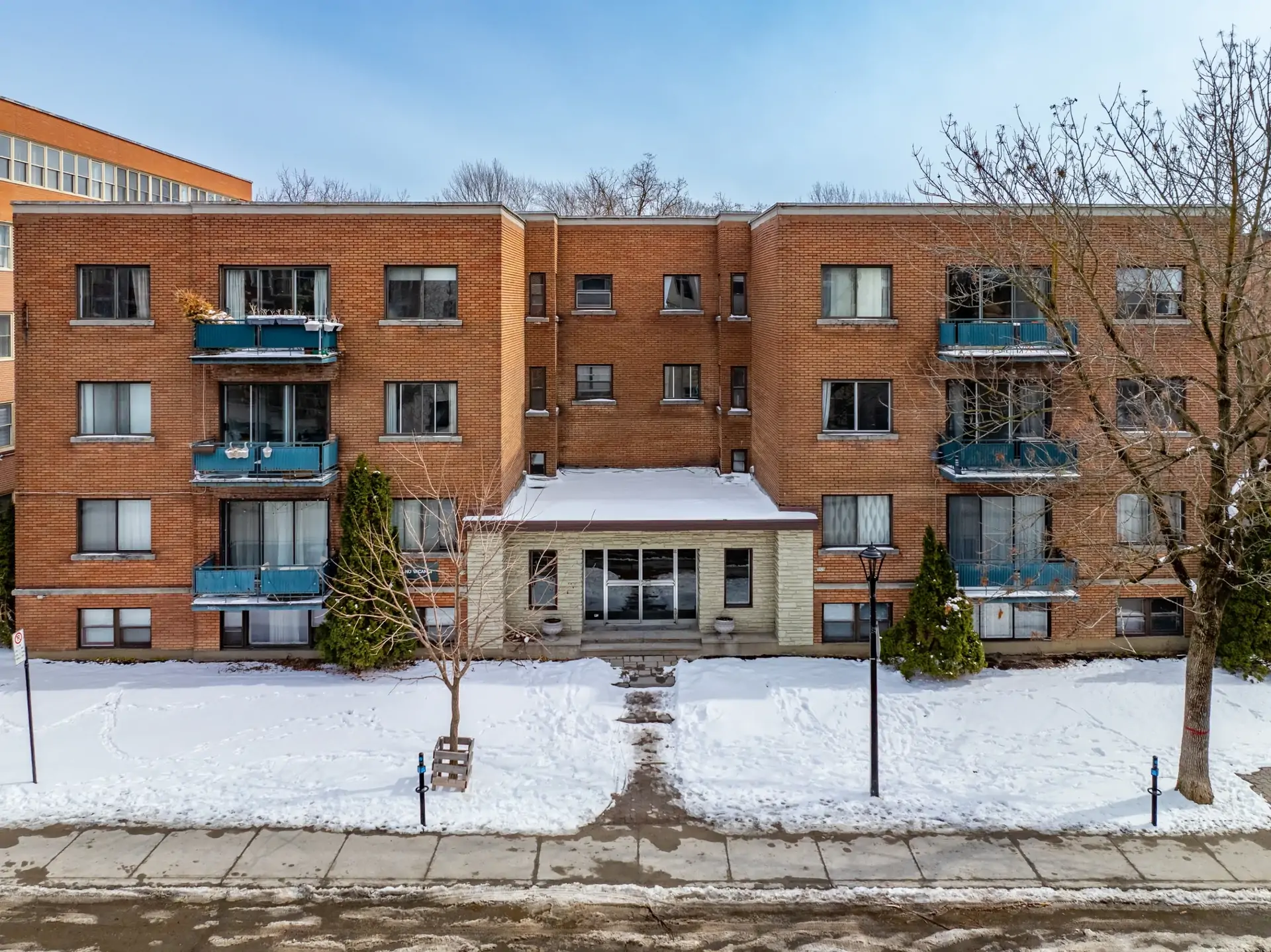
Multi-Residential Investment Overview
The Most Active Commercial Investment Asset Class
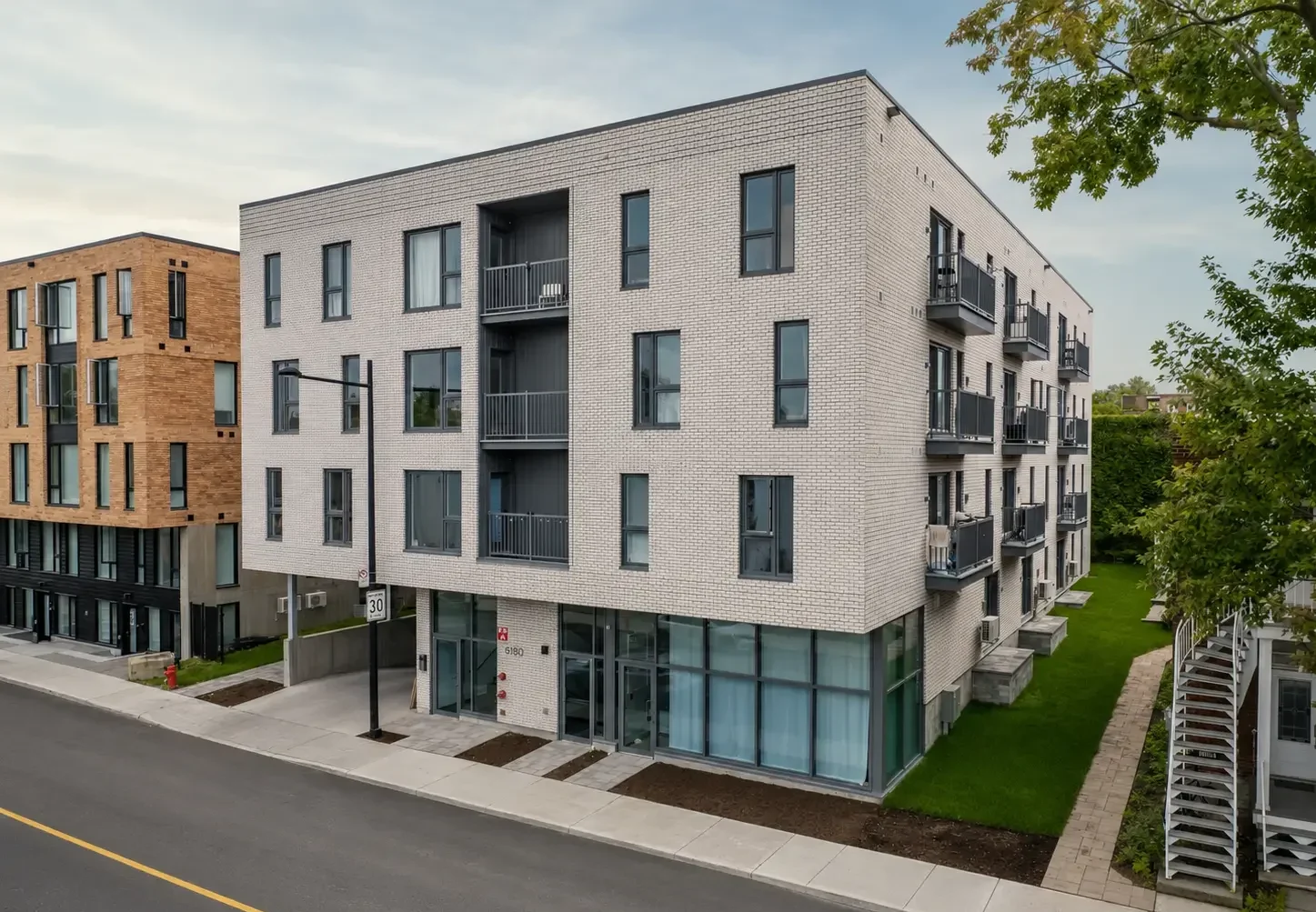
Multi-Residential Listings
Apartment Buildings and Income Properties for Sale
What to Consider
Key Considerations When Buying or Selling a Multi-Residential Building
Apartment buildings have a distinct transaction profile shaped by Quebec’s tenancy regulations, building-specific capital requirements, and the financing structures available for income properties.
- Quebec Residential Tenancy Framework. Multi-residential buildings are governed by the Tribunal administratif du logement. Existing lease terms, rent levels relative to market, and the building's tenancy profile are all factors that affect how the asset is valued and how buyers underwrite the purchase. Understanding this framework is essential to accurate pricing on both sides of the transaction.
- Building Condition and Capital Expenditure Profile. The physical condition of a multi-residential building (roof, plumbing, electrical, windows, mechanical systems) directly affects its net operating income and its attractiveness to buyers. A clear picture of deferred maintenance before listing strengthens the seller's position. On the buy side, thorough physical due diligence before closing is essential to accurate underwriting.
- Financing Considerations. Multi-residential building financing operates under specific lender criteria that vary by building size, unit count, and income profile. Buyers should understand their financing options and pre-qualify before entering into conditional offers. Sellers should understand how financing constraints may affect the buyer pool for their specific asset.
- Zoning and Permitted Use. Zoning designations affect what can be done with a multi-residential building, including unit count limits, density restrictions, conversion from single-family to multi-unit, and short-term rental prohibitions. Buyers with plans to add units or change the building's configuration should verify zoning before proceeding to offer.
- Vacancy and Tenancy Profile. The vacancy rate and tenancy profile of a multi-residential building affect its income, its financing eligibility, and its appeal to investment buyers. A clear, accurate picture of the current tenancy situation (occupied units, vacant units, lease expiry dates, and rent levels) should be established before the transaction proceeds.
Frequently Asked Questions
Common Questions About Multi-Residential Investment
What types of multi-residential buildings does Armen handle?
Armen manages sell and buy mandates across the full range of multi-residential investment assets, from small plex buildings and six-unit income properties to larger apartment buildings. The mandate structure is the same regardless of building size: a clear valuation, a targeted process, and consistent communication throughout.
How is a multi-residential building valued?
Multi-residential valuation is based on a combination of the building’s net operating income, comparable transaction data for similar assets in the area, and the physical condition and tenancy profile of the building. The Tribunal administratif du logement framework is a material factor: rent levels, lease types, and the potential for rent adjustment all affect how buyers underwrite the asset and therefore what they are willing to pay.
What is the difference between a plex and a larger multi-residential building as an investment?
A plex, typically a duplex, triplex, or sixplex, is a small multi-residential building common across Montreal neighbourhoods. Larger apartment buildings operate under different financing structures, management demands, and buyer profiles. Both are active investment categories in the market, and both are asset types that Armen handles on the sell and buy side.
How long does it take to sell a multi-residential building?
Transaction timelines vary depending on building size, price point, tenancy profile, and current market conditions. Armen provides a realistic timeline estimate at the start of every sell mandate based on the specific asset and the active buyer pool for that building type. Accurate pricing and targeted marketing are the primary factors that determine how quickly a qualified buyer is identified.
Can you source multi-residential buildings that are not publicly listed?
Yes. A portion of multi-residential transactions occur off-market, building owners who want a discreet process or who are approached directly before any public listing. Buyers working with an acquisition mandate through AMRE have access to these off-market opportunities in addition to what is publicly available.
Apartment Building Mandates
Interested in a Multi-Residential Investment?
For building owners weighing a sale or investors looking to acquire an apartment building, the first step is an honest conversation about the asset, the tenancy profile, and where the market stands today.