
-
The small professional office segment (smaller buildings occupied by medical practices, legal firms, accounting firms, engineering consultancies, and other professional service operators) operates on different fundamentals from the large corporate office market. Professional services firms require a consistent, accessible physical location for client-facing work.
A medical clinic, a law practice, or an accounting firm does not function on a remote or hybrid model in the same way that a corporate technology team does. This distinction between the institutional office market and the small professional office segment is material for investors and building owners evaluating their options. Owner-Occupier and Investment Buyer Dynamics Owner-occupier demand is a distinct and significant factor in the small office building market.
A professional services firm that acquires the building it occupies is a different buyer from an investor acquiring for rental income, and the two buyer types value the same building differently. An owner-occupier prices the acquisition against their current rent and their long-term location needs.
Small Office Property Investment in Montreal, Sell or Buy a Professional Office Building
The small professional office segment operates on different fundamentals than the downtown Class A market making headlines. Buildings occupied by medical practices, law firms, and professional services operators follow their own demand cycle, and pricing reflects tenant stability rather than tower vacancy rates. Armen Markarian advises sellers and buyers where owner-occupier and investment buyer interest intersect.
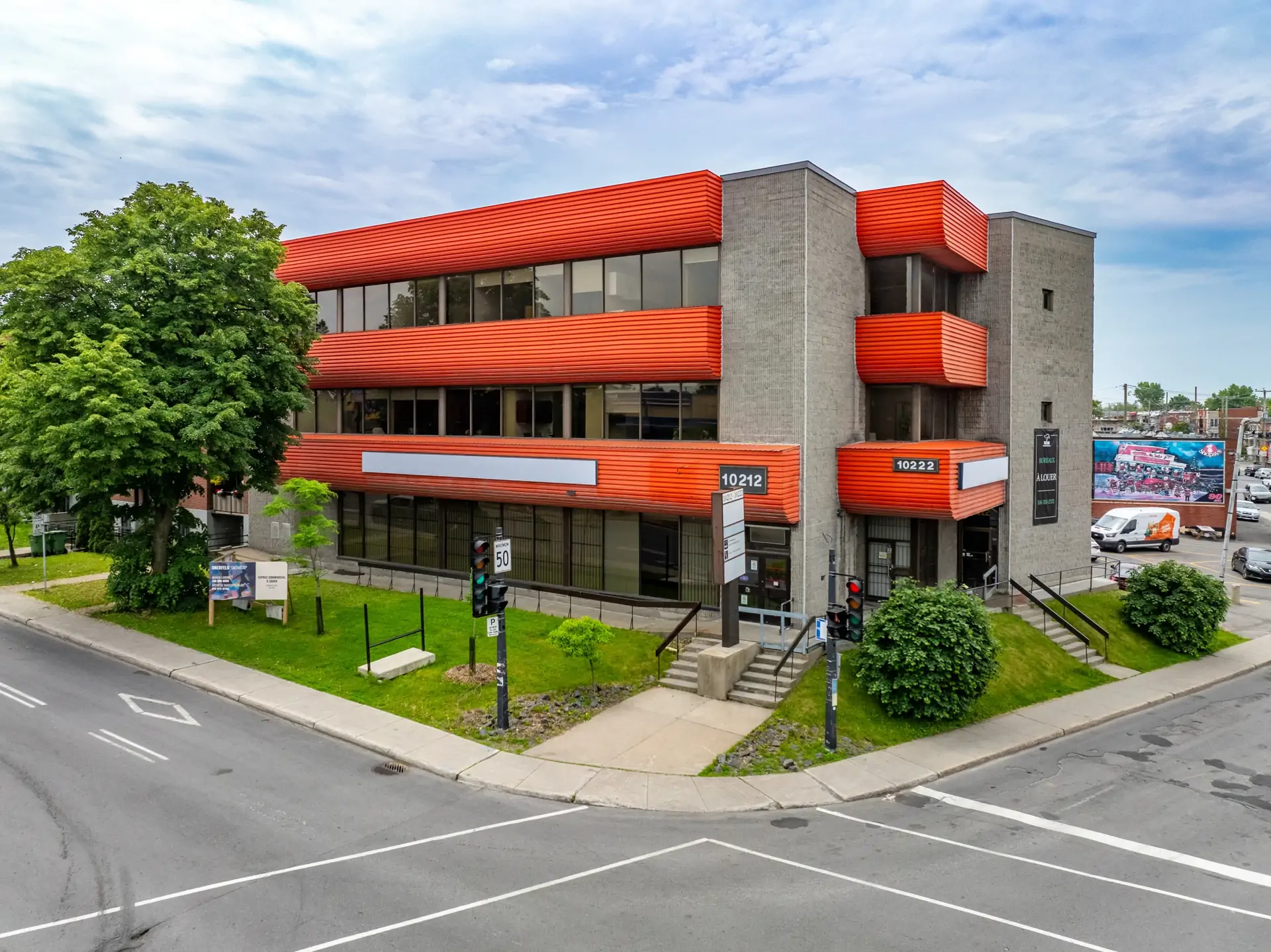
The Small Professional Office Building as an Investment, What the Current Market Means for Sellers and Buyers
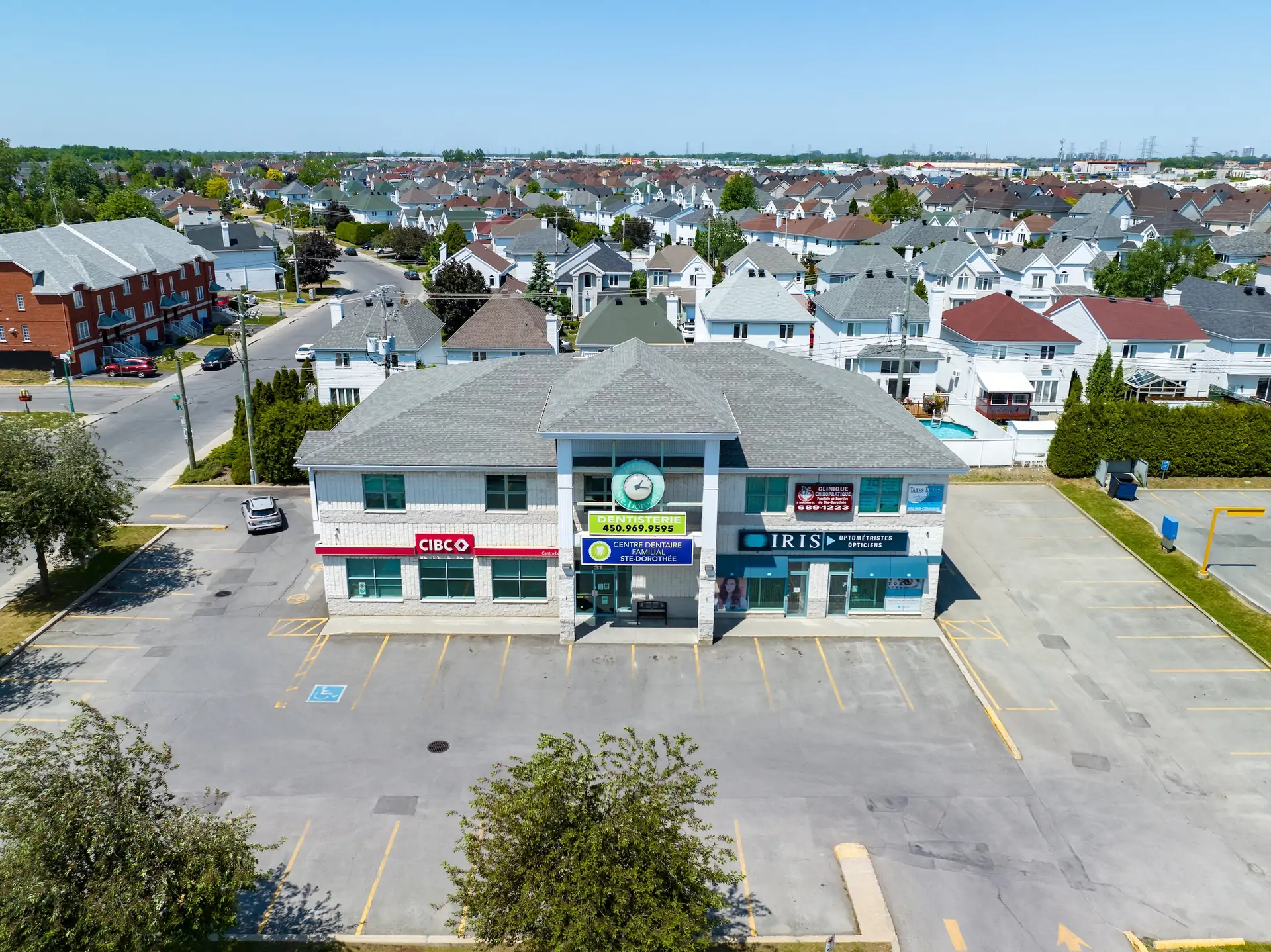
An investment buyer prices the same building against the lease terms, tenant quality, and the income the building generates. Both buyer profiles are active, and the right mandate strategy depends on which profile is most relevant for the specific asset. Armen prepares a valuation assessment that accounts for both at the start of every sell mandate.
Small Office Buildings for Sale in Greater Montreal
Key Considerations When Buying or Selling a Small Office Building in Montreal
Small office buildings sit at the intersection of owner-occupier demand and investment buyer interest. The tenant profile, building condition, and accessibility of the location all influence which buyer type a specific building attracts.
- Tenant Profile and Occupancy Type. The identity of the office tenant (whether a medical practice, a legal firm, an accounting office, or another professional service operator) directly affects how the building is valued and which buyer profile it attracts. A regulated professional tenant with a long-term location dependency is a different underwriting scenario from a general commercial tenant with flexible space requirements. Sellers should present the tenant profile clearly. Buyers should understand the nature of the tenancy before pricing an offer.
- Lease Term and Buyer Profile. A building with a long-term lease to a stable tenant is priced as an income investment. The same building with a short-term lease is a different transaction with a different buyer pool. Establishing whether the primary market is investment buyers, owner-occupiers, or both is a foundational step in every sell mandate for this asset class.
- Building Age, Condition, and Functional Layout. Professional office users have specific requirements: accessible entry, adequate parking, functional floor plates, and mechanical systems that support office operations. Building age and condition affect both the rental appeal to tenants and the investment appeal to buyers. An older building with deferred maintenance or a layout that does not suit current professional office use may require repositioning before it can be marketed to the right buyer at the right price.
- Location and Accessibility. Small professional office buildings in Montreal that serve client-facing professional services practices depend heavily on accessibility: proximity to public transit, adequate parking for clients, and a location that is convenient for the professional firm's client base. Location quality affects tenancy stability and the owner-occupier buyer profile. Buildings in accessible, well-served locations attract a broader buyer pool than those in locations with access or parking constraints.
- Financing Considerations. Buyers acquiring a small office building should understand their financing options early in the process. Pre-qualification before making a conditional offer is important in this asset class. Sellers should understand how financing conditions may affect the buyer pool and the offer terms they receive.
Common Questions About Small Office Investment Properties in Montreal
What types of office buildings does Armen handle?
What is the difference between an office investment buyer and an owner-occupier buyer?
How is a small office building valued?
Are medical office buildings valued differently from general professional office buildings?
Interested in a Small Office Investment?
The starting point for every office mandate is identifying the right buyer profile for the specific building. That assessment shapes the pricing, the outreach strategy, and the negotiation approach.