
-
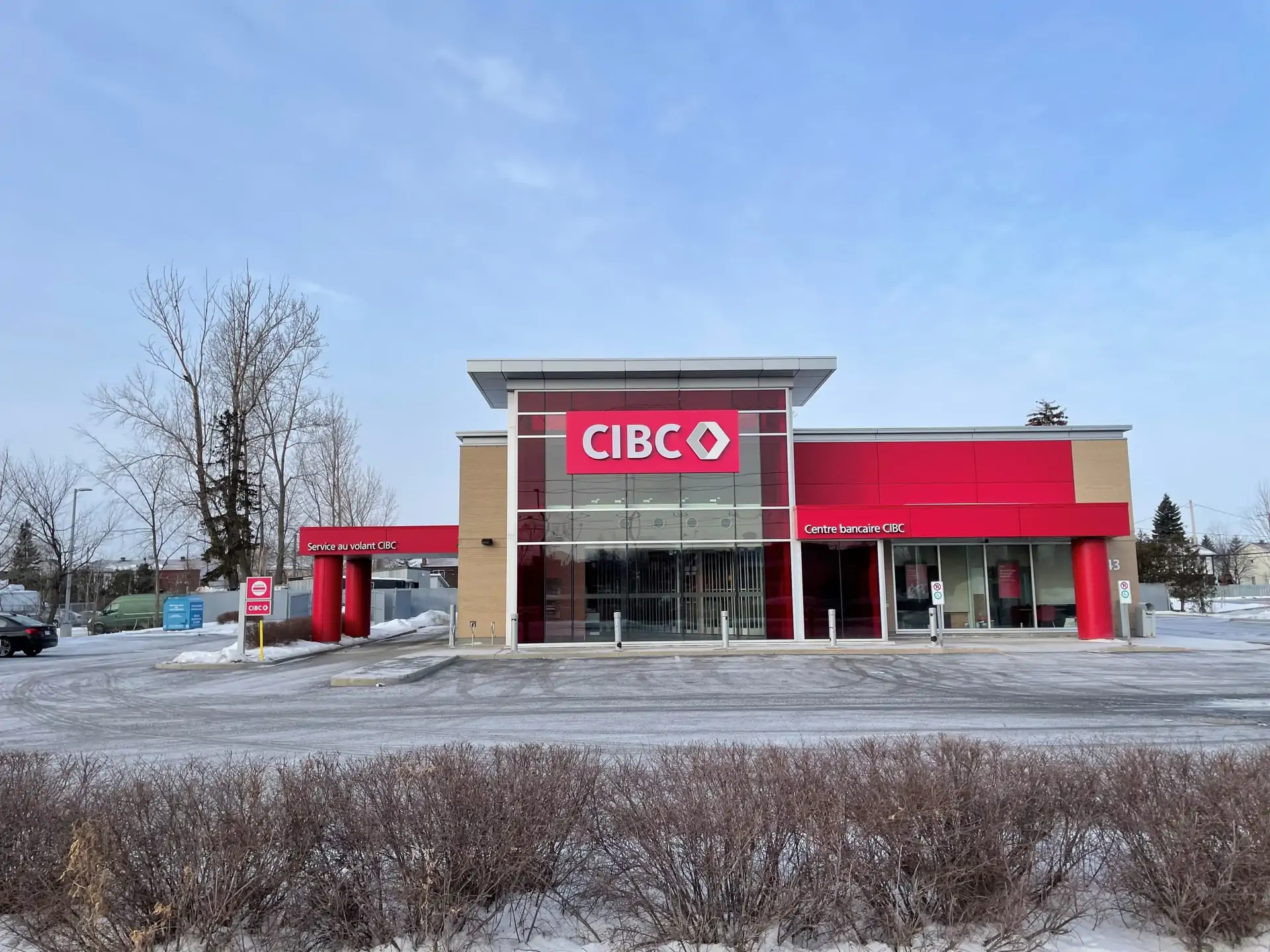
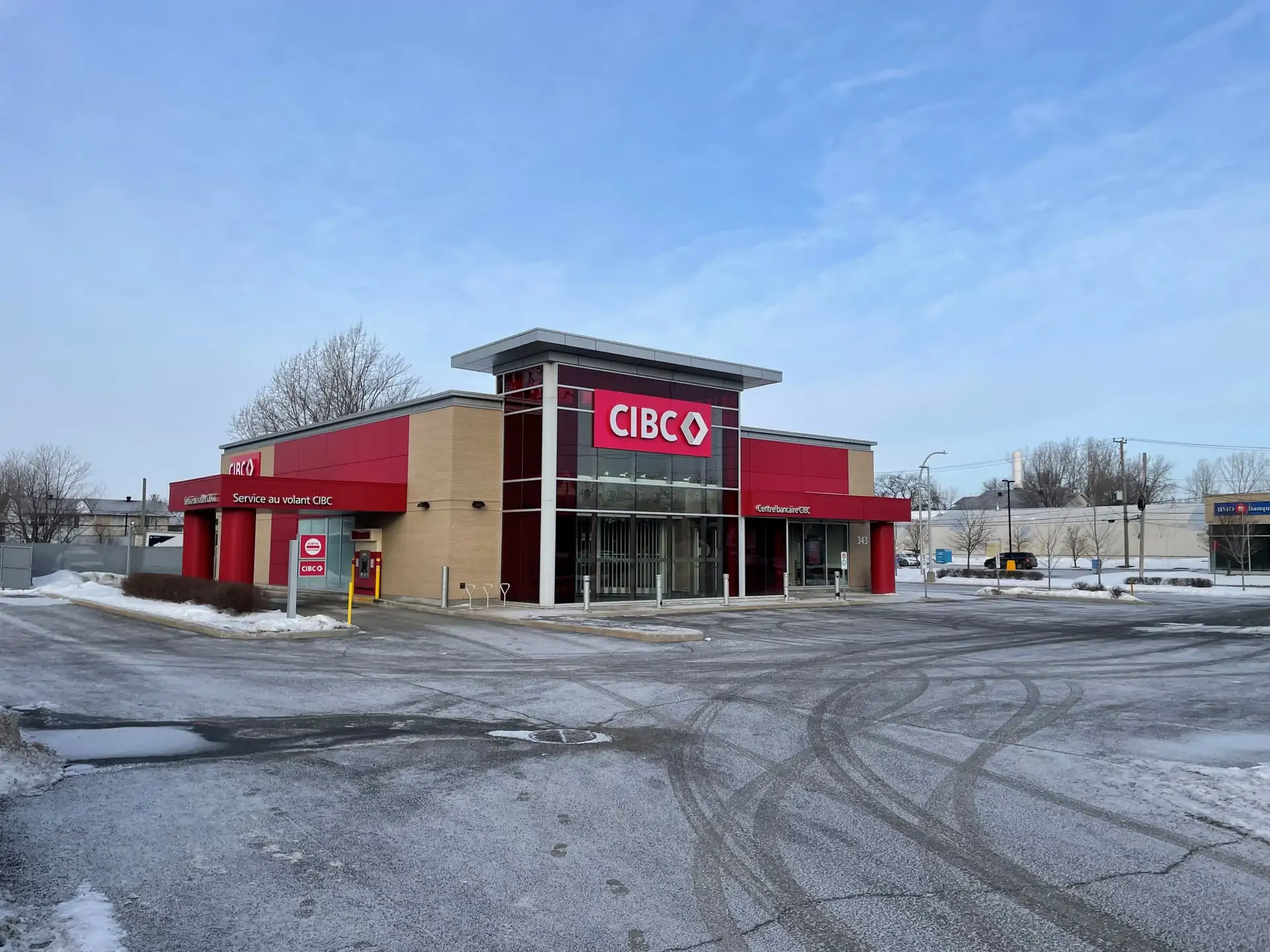
Retail investment real estate covers a range of building types: standalone retail buildings, ground-floor commercial strips, neighbourhood commercial properties along major arteries, and suburban strip retail assets. The investment case for each type is different, and the buyer pool for each is distinct. Urban neighbourhood retail along active pedestrian corridors attracts investors drawn to stable foot traffic, independent operator tenants, and location resilience.
Suburban strip retail operates on different fundamentals: typically lower price points, higher reliance on vehicle access, and a tenant profile more sensitive to broader market shifts. The first step in any retail mandate is identifying which category the property belongs to and which buyer profile it will attract. Lease-Level Analysis From a Retail Background.
What makes retail investment distinct from other commercial asset classes is that the value is almost entirely determined by what happens at the lease level. A retail building’s investment value flows directly from its net operating income, which is a function of the lease terms, the rent level, the remaining term, and the creditworthiness of the tenant.
Retail Property Investment in Montreal, Sell or Buy a Retail Building
The value of a retail investment property is driven by its leases, not its walls. Tenant quality, lease terms, and location fundamentals determine what a retail building is worth and who will buy it. Armen Markarian brings a retail leasing foundation from CBRE to every retail investment mandate across Greater Montreal.
Retail Real Estate as an Investment, What Owners and Buyers Need to Know
A long-term lease to a stable, well-established operator produces a predictable income stream and a tighter investment yield. A short-term lease, a month-to-month occupant, or a vacant unit introduces income uncertainty that buyers price into their offer. Armen’s background in retail at CBRE, where understanding tenancy, lease structure, and operator quality is the core analytical discipline, means that retail investment mandates at AMRE carry a depth of retail market knowledge that a purely investment-focused broker does not bring.
Retail Investment Properties for Sale in Greater Montreal
Key Considerations When Buying or Selling a Retail Investment Property
Retail investment is driven by lease quality, tenant stability, and location fundamentals. These factors shape every aspect of a retail transaction differently from residential or industrial mandates.
- Lease Terms and Remaining Lease Duration. The retail lease is the single most important document in a retail investment transaction. The remaining term, the rent level, the renewal options, and the escalation clauses directly determine the net operating income and therefore the investment value. Sellers should review their commercial lease before listing. Buyers should request and review the full lease document (not just the rent roll) before submitting an offer.
- Tenant Quality and Operating Stability. The identity and operating stability of the retail tenant is a material factor in how buyers underwrite a retail building. A long-established business with a track record of stable operations is a different underwriting scenario than a new operator or a tenant in a sector with high turnover. A clear presentation of the tenant's operating history strengthens the listing. Researching the operator's stability before committing to an acquisition price is equally important on the buy side.
- Location Type and Foot Traffic Profile. Urban neighbourhood retail along active pedestrian corridors performs differently as an investment than suburban strip retail dependent on vehicle traffic. The location type affects which buyer pool is relevant, what lease renewal risk looks like, and how the asset is valued relative to market comparables. Both categories transact in Montreal, but they attract different investors and are priced on different fundamentals.
- Zoning and Permitted Commercial Use. Zoning bylaws govern what types of commercial use are permitted in a given location. Changes of use, intensification, or conversion plans must be verified against the applicable bylaw. Buyers with specific tenant or use plans for a retail building should confirm permitted uses before proceeding to offer.
- Building Condition and Storefront Presentation. The physical condition of a retail building (storefront, facade, mechanical systems serving the commercial space, accessible entry) affects both its rental appeal to tenants and its investment appeal to buyers. A well-maintained retail property with a strong physical presentation supports the lease renewal case and the investment story. Deferred maintenance is a negotiating factor in every retail transaction.
Common Questions About Retail Investment Properties
What types of retail investment properties does Armen handle?
How does a retail building’s lease structure affect its investment value?
What is the difference between urban neighbourhood retail and strip retail as investments in Montreal?
How does Armen’s CBRE background inform his retail investment work?
Can you sell a retail building with a vacant commercial unit?
Interested in a Retail Investment?
Every retail mandate starts with a lease review and a clear picture of the income profile. Book a consultation to assess the tenant structure, the lease terms, and the positioning strategy for the asset.