
-
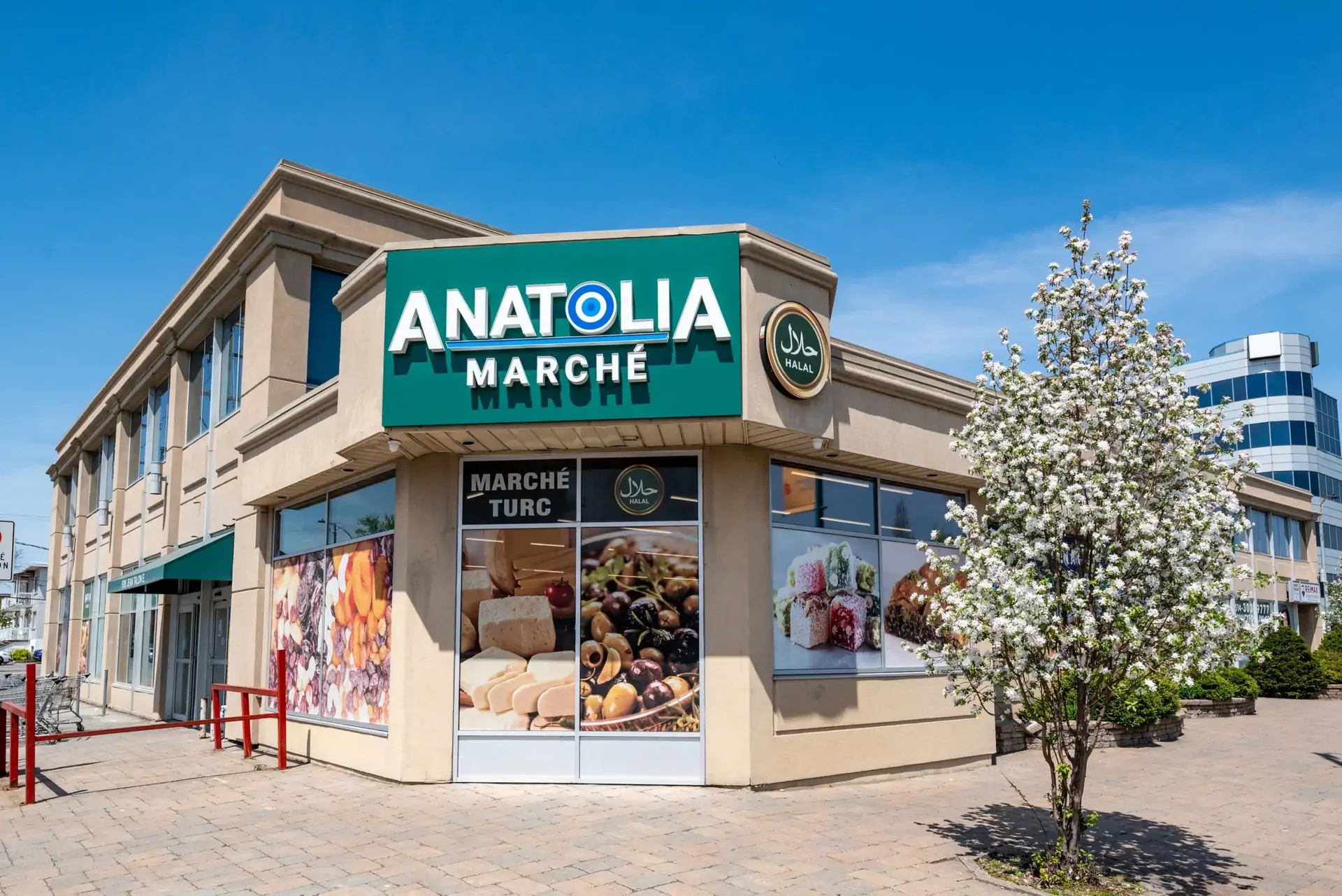
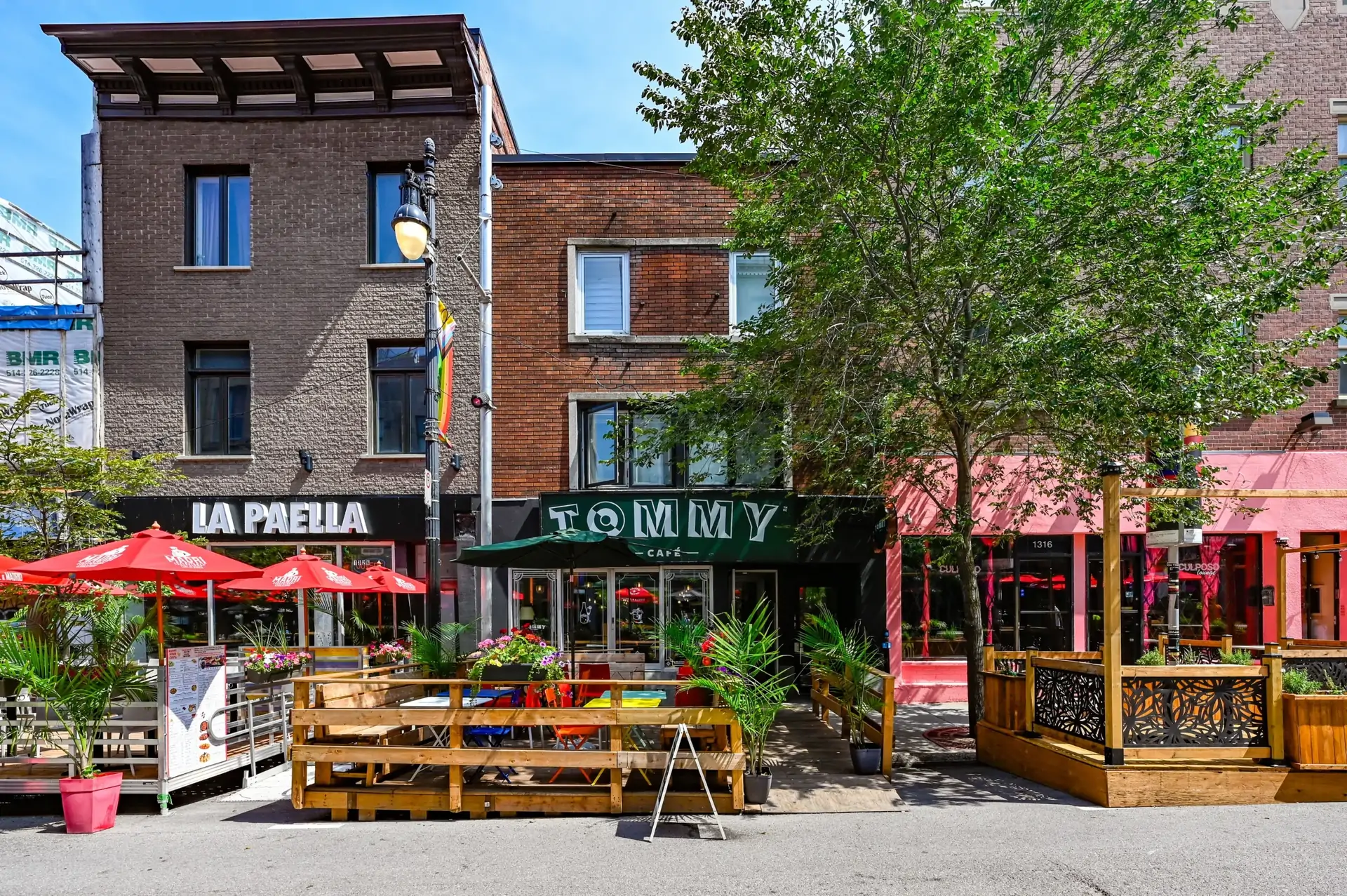
A semi-commercial property is a building that combines a ground-floor commercial space, typically a retail unit, office, or service business, with one or more residential units on the floors above. The term is a Quebec real estate classification used in OACIQ documentation, Centris listings, and professional brokerage communications.
These buildings line neighbourhood commercial corridors such as rue Saint-Denis, avenue du Mont-Royal, and boulevard Saint-Laurent, and they attract private investors and owner-operators. A mixed-use investment building is generally a larger, more purposefully designed asset, with substantial commercial floor area on the lower levels and a meaningful residential component above. These buildings are found along major commercial arteries and in transitional neighbourhoods undergoing densification, and they attract experienced investors and developers who evaluate layered income and zoning potential simultaneously.
Both categories require a broker who can underwrite residential and commercial income within a single asset. Armen Markarian advises sellers and buyers across both, applying the same analytical discipline to each. Dual-Income Underwriting and Zoning Potential Zoning is a more material factor in mixed-use investment than in most other commercial asset classes. A mixed-use building carries value from two sources: its current income from the commercial and residential components, and what the zoning permits in terms of future use, additional density, or redevelopment.
Semi-Commercial and Mixed-Use Property Broker in Greater Montreal
Semi-commercial and mixed-use buildings share a common logic: income from both residential and commercial space within a single asset. Semi-commercial properties are neighbourhood buildings with a commercial unit at street level and residential units above, while mixed-use assets are larger, commercially led buildings that often carry zoning and densification upside. Armen Markarian advises sellers and buyers across both categories throughout Greater Montreal.
Two Related Asset Classes, One Specialized Brokerage
The municipal zoning framework designates specific areas for mixed-use intensification, and buildings in these zones can carry a land value premium above what the current income alone supports. Understanding how to read a zoning designation, how it affects the current building’s value, and how it shapes the potential for densification or conversion is a capital markets analytical discipline, and it directly affects how a mixed-use asset is priced for a disposition mandate or underwritten for an acquisition.
Semi-Commercial and Mixed-Use Buildings for Sale in Greater Montreal
Key Considerations When Buying or Selling a Semi-Commercial or Mixed-Use Building
Semi-commercial and mixed-use buildings layer residential and commercial income, and larger mixed-use assets add zoning considerations that simpler asset classes do not present. The interplay between current income and future development potential shapes every aspect of these transactions.
- Zoning Verification and Permitted Uses. The zoning designation of a mixed-use building governs what the commercial and residential components are permitted to be used for, and what additional uses or densification may be possible in the future. Before listing or before making an offer, confirming the current zoning and the range of permitted uses is a foundational step. A building in a zone designated for intensification carries a different investment profile than an identical building in a stable-use zone.
- Commercial Lease Stacking and Income Analysis. Mixed-use buildings often have multiple commercial tenants across ground-floor or lower-level units, alongside residential income above. Understanding the full lease stack (each commercial lease term, rent level, renewal options, and tenant profile) alongside the residential income profile provides the complete picture of the building's net operating income. Buyers should request the full lease stack and not just the rent roll summary before underwriting an offer.
- Densification and Redevelopment Potential. Some mixed-use buildings in Montreal carry permitted density that exceeds what is currently built. Where the zoning allows additional floor area, a change of use on underutilised floors, or a partial redevelopment of the site, this potential affects the investment value. Sellers in zones with meaningful densification potential may be leaving value on the table without accurate positioning. Buyers need to verify what is actually achievable under the current zoning before pricing in redevelopment upside.
- Residential Tenancy Framework. The residential component of a mixed-use building is governed by Quebec's Tribunal administratif du logement, regardless of the commercial component below. Existing lease terms, rent levels, and the tenancy profile of the residential floors are factors in the overall income analysis and in how buyers approach the residential portion of their underwriting.
- Building Condition Across All Components. Unlike smaller semi-commercial buildings with two components, a mixed-use asset may have three or more distinct use types with shared mechanical, elevator, and electrical systems. The inspection scope must cover each component independently while also assessing the shared infrastructure that serves all of them.
Common Questions About Semi-Commercial and Mixed-Use Investment Properties
What is a mixed-use investment property in the Montreal context?
How does zoning affect the value of a mixed-use building in Montreal?
What is the difference between a semi-commercial and a mixed-use property?
Who typically buys mixed-use investment buildings in Montreal?
How is a mixed-use building valued compared to a pure multi-residential asset?
Interested in a Semi-Commercial or Mixed-Use Investment?
The first conversation for any semi-commercial or mixed-use mandate covers two questions: what does the building earn today, and what does the zoning allow it to become. Book a consultation to assess both dimensions.