
-
Redevelopment land covers several distinct categories, each with a different buyer profile and a different value driver. Urban infill sites (typically under-built lots, surplus parking land, or properties with obsolete structures in areas where zoning permits higher-density development) attract developers and investors looking to build residential or mixed-use projects where infrastructure and demand already exist.
Greenfield land on the suburban periphery serves developers building at scale for new residential or commercial programmes. Former industrial or brownfield sites being repositioned for residential or mixed-use development represent a third category, often in well-located areas where the legacy industrial use has given way to residential demand, but where environmental and planning considerations add complexity. Understanding which category a site belongs to, and what the relevant buyer community looks like, shapes every aspect of how a land mandate is managed.
Zoning, Density, and Municipal Process The value of redevelopment land is determined primarily by the permitted density under the applicable municipal zoning bylaw, and what can realistically be achieved through a rezoning or derogation process if the current designation falls short of the site’s potential. A parcel zoned for mid-rise residential carries a different value than the same parcel zoned for commercial use or constrained to existing building height.
Redevelopment Land Broker in Greater Montreal, Development Sites and Commercial Land
What a piece of land is worth depends less on its size than on what can be built on it. Zoning, permitted density, infrastructure servicing, and municipal approval timelines are the variables that drive land pricing in Quebec. Armen Markarian advises landowners on dispositions and developers on site acquisitions across Greater Montreal.
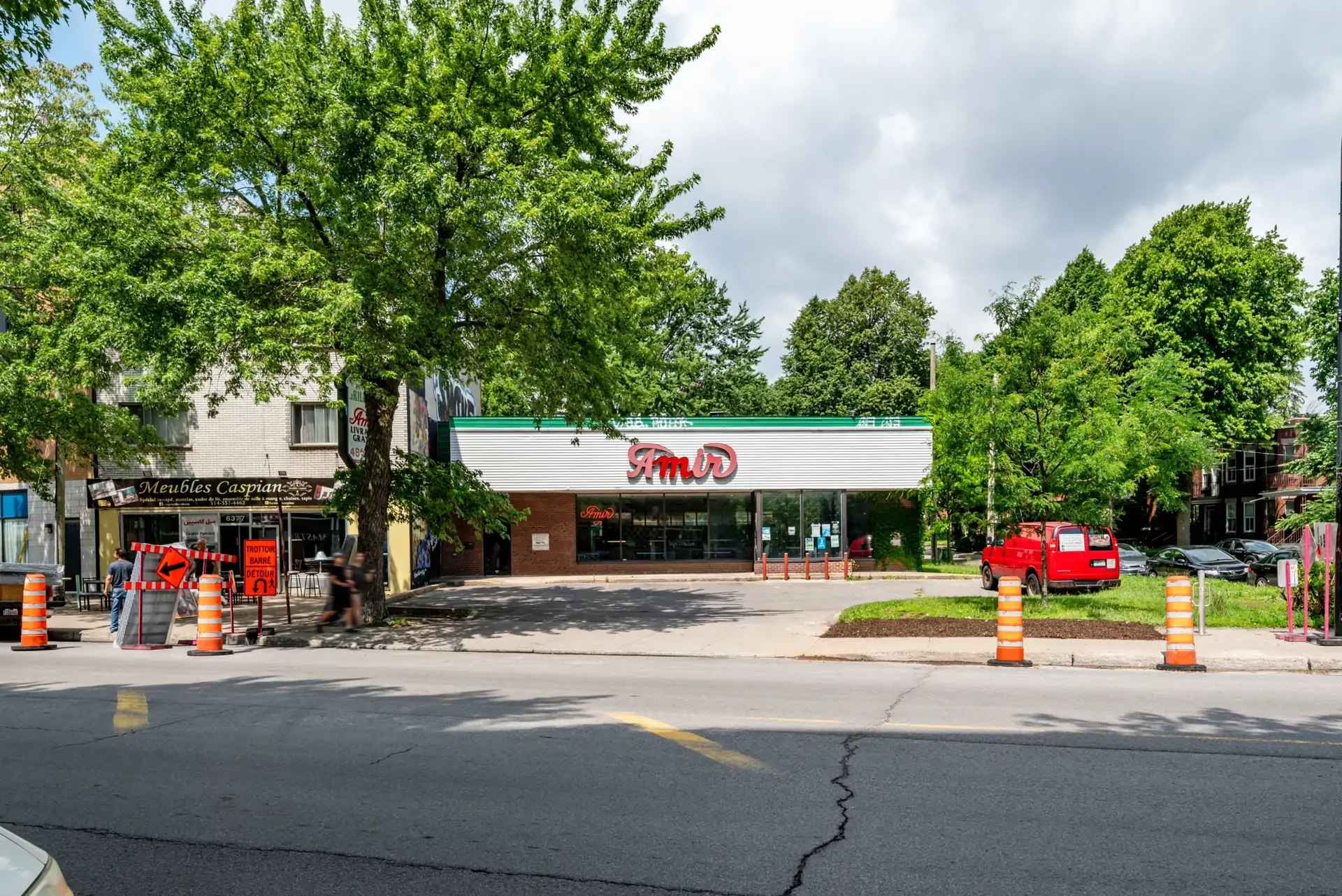
Redevelopment Land in Greater Montreal, What Drives Value and Who Transacts in This Market
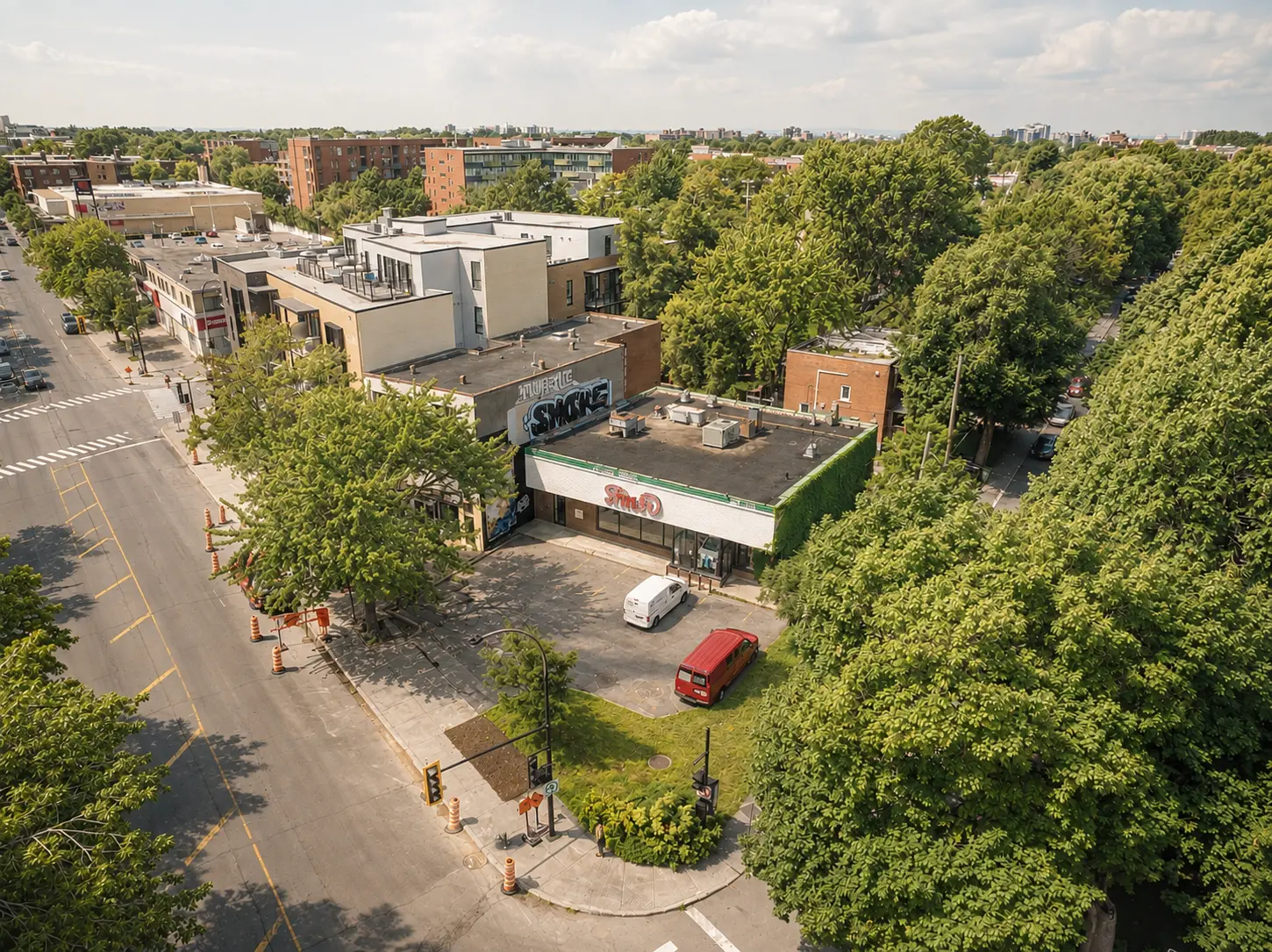
The gap between current zoning and achievable density is the most common source of complexity, and sometimes opportunity, in land transactions. Buyers who understand the municipal approval process and can assess realistic development timelines are better positioned to underwrite land accurately. Accurate zoning analysis is equally important on the sell side, where it determines pricing strategy and buyer targeting.
Redevelopment Sites and Commercial Land for Sale in Greater Montreal
Key Considerations When Buying or Selling Development Land in Greater Montreal
Land transactions involve a specific set of considerations that differ from income-property mandates. Zoning, servicing, environmental status, and municipal timelines all affect how a site is priced and how a mandate is structured.
- Permitted Density and Zoning Designation. The current zoning bylaw is the single most important document in a land transaction. It establishes what is permitted, at what density, and under what conditions. Both parties should understand the current zoning before pricing discussions begin, particularly whether the permitted density accurately reflects the site's development potential.
- Rezoning Potential and Municipal Process. Where current zoning underestimates the site's development potential, a rezoning or derogation application may be the path to unlocking additional value. The municipality's openness to a rezoning request, the likely timeline, and the cost of the process are all factors that affect how a site is priced and what kind of buyer will consider it. Land that requires municipal approval to reach its highest and best use is priced differently from land where the current zoning already permits the target programme.
- Infrastructure Servicing. Development land requires access to municipal infrastructure: water, sewer, electrical service, road access. In urban infill locations, this servicing is typically in place. On greenfield or peripheral sites, servicing capacity and the cost of extending services to the site must be verified and factored into the development pro forma. Buyers should confirm servicing status before committing to an acquisition price.
- Environmental Conditions. Sites with a history of industrial, commercial, or municipal use may have environmental conditions (soil contamination, buried materials, groundwater issues) that require Phase I and Phase II environmental site assessments before a transaction can close. The presence of environmental conditions affects both the price and the timeline of a land transaction. Buyers should include environmental due diligence as a standard condition. Sellers should understand the environmental status of their site before listing.
- Municipal Approval Timeline. Development land transactions often involve buyers who are acquiring a site with a specific development programme in mind. The municipal approval timeline for that programme (subdivision, site plan approval, building permits) is a material factor in how a buyer underwrites the acquisition. Sellers should understand that sophisticated land buyers price the time value of money into their offer, and that a site requiring lengthy approvals will be priced accordingly.
Common Questions About Redevelopment Land and Development Sites in Greater Montreal
How is development land valued in Quebec?
What types of development sites does Armen handle?
How does the rezoning process work in Quebec and how does it affect land value?
What environmental considerations are typical in Quebec land transactions?
Looking for Development Land?
Every land mandate begins with a zoning and density assessment. Contact Armen to review the development potential of a specific site or to discuss a land disposition strategy.