
-
Industrial investment properties are valued by the income they generate, the physical characteristics of the building, and the credit quality of the tenant in place. The interaction between these three factors determines pricing for both sellers and buyers.
In a market where conditions vary significantly from one building to the next, careful underwriting of each individual asset (its lease terms, tenant quality, building specifications, and location) matters more than broad market sentiment. Armen Markarian advises sellers and buyers through this asset-specific analysis. Lease Structure and Building Specifications Industrial leases in Canada are commonly structured as gross, net, or modified net, with varying allocations of operating cost responsibilities between landlord and tenant.
The lease type directly affects the net operating income available to the owner and therefore the investment value of the building. A well-located building with a long-term lease to a creditworthy tenant produces a stable income stream that sophisticated buyers price tightly.
Industrial Real Estate Broker in Greater Montreal, Sell or Buy an Industrial Property
Greater Montreal’s industrial market has shifted from broad-based tightening to asset-specific pricing, where building specifications, lease structure, and tenant quality determine value more than submarket alone. Armen Markarian advises sellers and buyers of warehouse, distribution, light manufacturing, and flex industrial assets across the region.
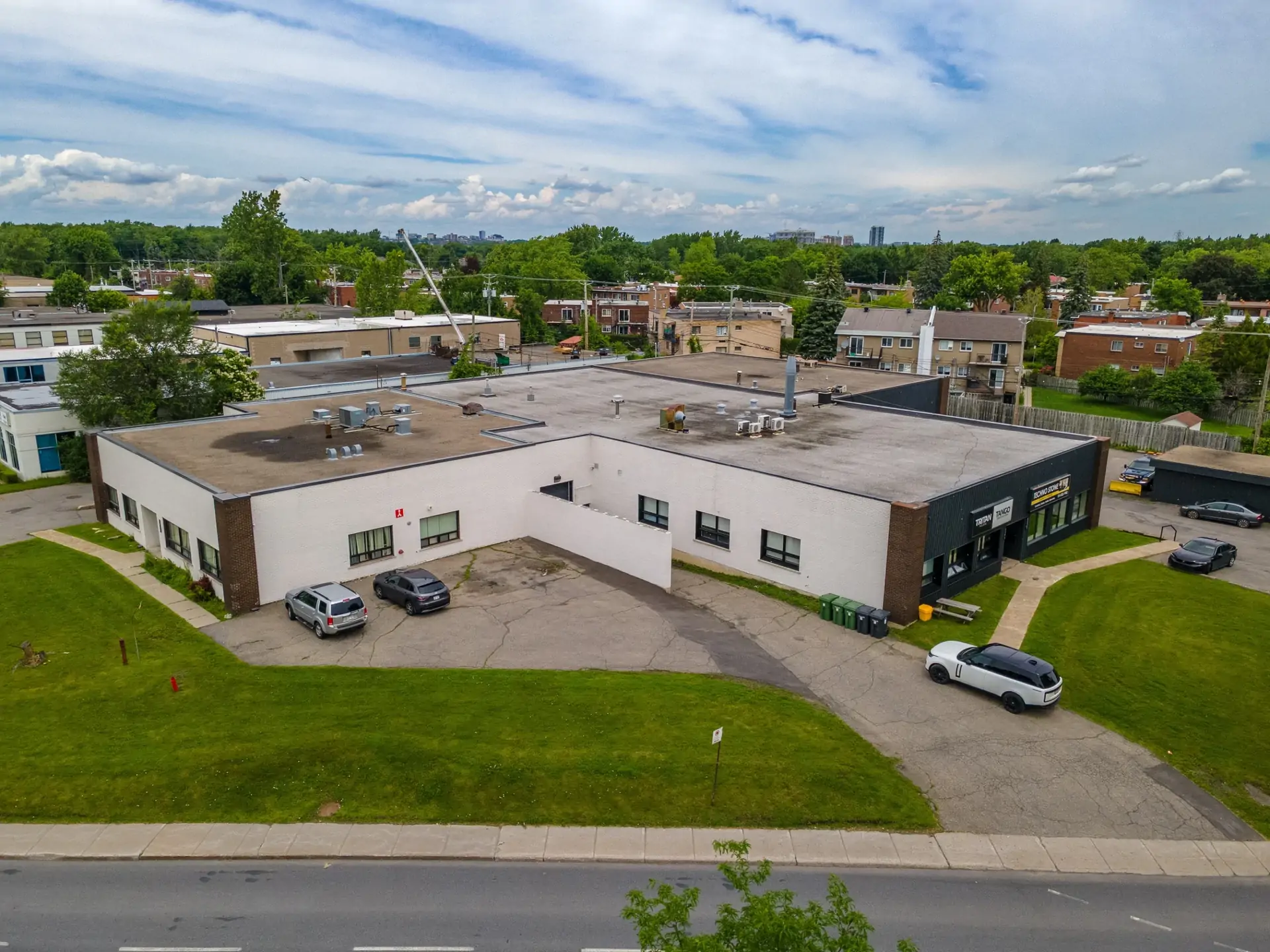
Montreal's Industrial Market, Investment Fundamentals and What They Mean for Sellers and Buyers
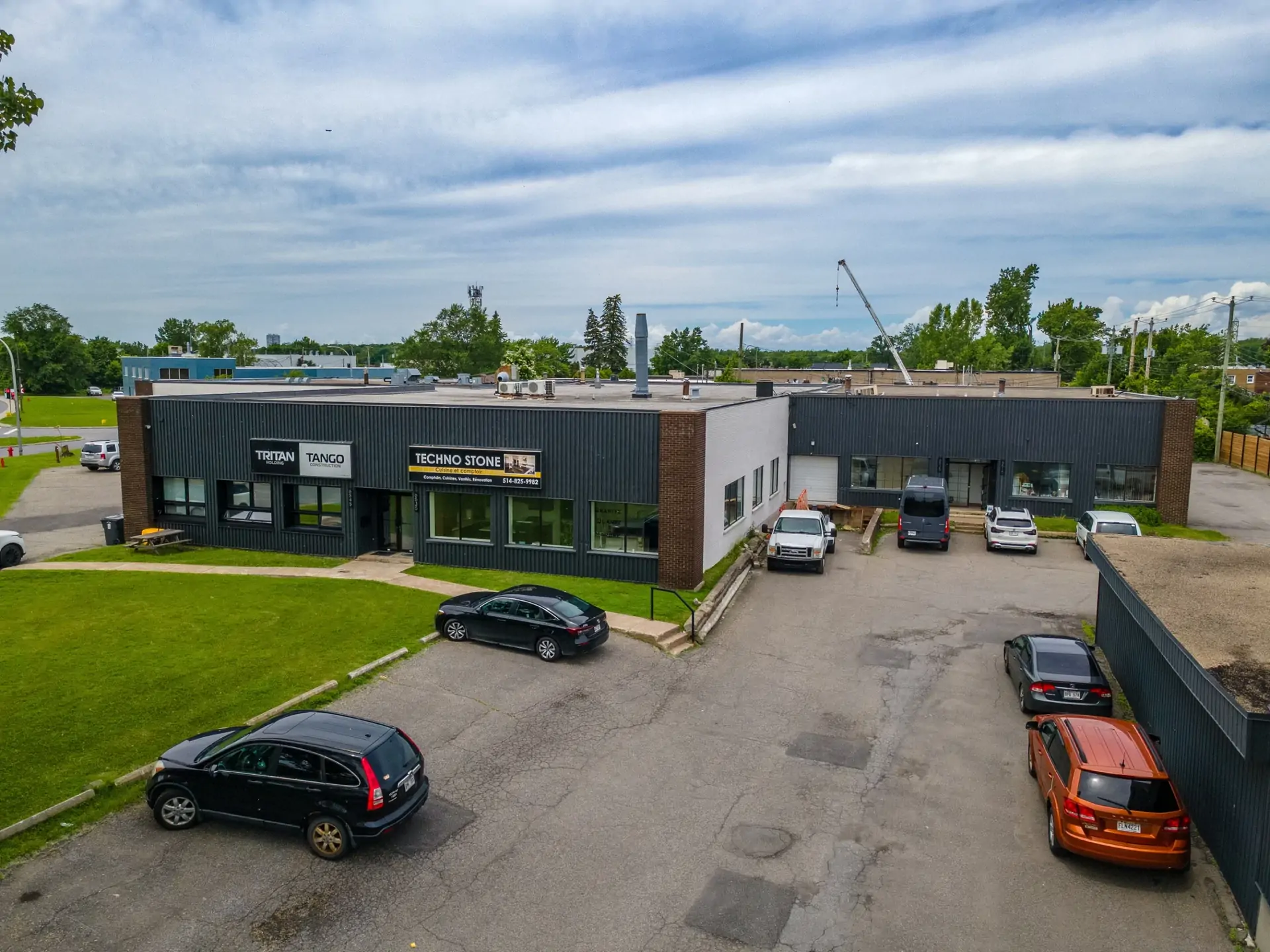
A building with a short-term lease or a vacant bay presents a repositioning scenario with a different risk-return profile. Two categories of buyers are active in the industrial market: investors acquiring for rental income, and owner-occupiers who want to own the building they operate from. Identifying which category a specific property attracts is the starting point of every industrial mandate.
Industrial Properties for Sale in Greater Montreal
Key Considerations When Buying or Selling an Industrial Property in Montreal
Industrial investment transactions are driven by the interplay between the physical building, the lease in place, and the tenant operating within it. These are the factors that shape pricing and process for both sellers and buyers.
- Lease Structure and Net Operating Income. The lease type (gross, net, or modified net) determines how operating costs are allocated between the landlord and tenant, and therefore what the owner's net operating income actually is. Two industrial buildings with the same gross rent may produce materially different net incomes depending on the lease structure. Sellers and buyers should understand the lease structure and its impact on NOI before pricing discussions begin.
- Tenant Quality and Lease Term Remaining. The credit profile of the industrial tenant and the remaining lease term are the primary inputs into how an investment buyer underwrites an industrial acquisition. A long-term lease with a creditworthy corporate or institutional tenant produces a different risk profile, and a different price, than a short-term lease with a smaller operator. Sellers benefit from presenting tenant information clearly. Buyers should verify the tenant's operating stability and the lease terms before structuring an offer.
- Building Specifications: Clear Height, Truck Court, and Dock Doors. Industrial building specifications directly affect the tenant pool and the rental rate achievable. Clear height (the usable vertical space inside the building) is the most important single specification for logistics and warehouse users. Truck court depth, the number and configuration of dock-level doors, and grade-level access determine what types of operations the building can accommodate. Buildings with modern specifications command higher rents and attract more creditworthy tenants. Buildings with obsolete specifications may face tenant constraints that affect income and value.
- Environmental Conditions. Industrial properties have a higher probability of environmental conditions than most other commercial asset classes due to their history of manufacturing, storage, or materials handling activity. Phase I and Phase II Environmental Site Assessments are standard due diligence components for industrial acquisitions. The presence of contamination can affect closing timelines, remediation costs, and the buyer's willingness to proceed at a given price. Sellers should understand the environmental status of their property before entering negotiations.
- Location and Submarket Dynamics. Industrial location within Greater Montreal affects both the current tenant profile and the long-term demand outlook. Traditional inner-city industrial corridors, suburban business parks, and new logistics-oriented developments attract different tenant profiles and generate different investment returns. Buyers should assess the submarket demand dynamics (not just the current building) when underwriting an industrial acquisition.
Common Questions About Industrial Investment Properties in Montreal
What types of industrial properties does Armen handle?
What is the difference between an investment industrial property and an owner-occupier sale?
What building specifications matter most for industrial investment value?
Does Armen work across different industrial submarkets?
How long does it take to sell an industrial building in Montreal?
Interested in an Industrial Investment?
The first conversation for any industrial mandate covers the lease structure, building specifications, and tenant profile. Those three factors shape the pricing strategy and the buyer or seller approach.